MOTION
Accelerometer and gyroscope
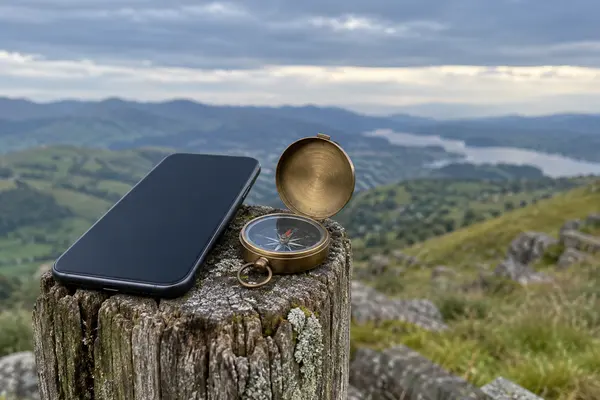
One feels acceleration and gravity, the other rotation. Together they know how the phone is held and moved.
Try the sensor check doodlesensor
A PLAIN-ENGLISH GUIDE
Your phone is quietly measuring the world around it.
Find the sensor behind it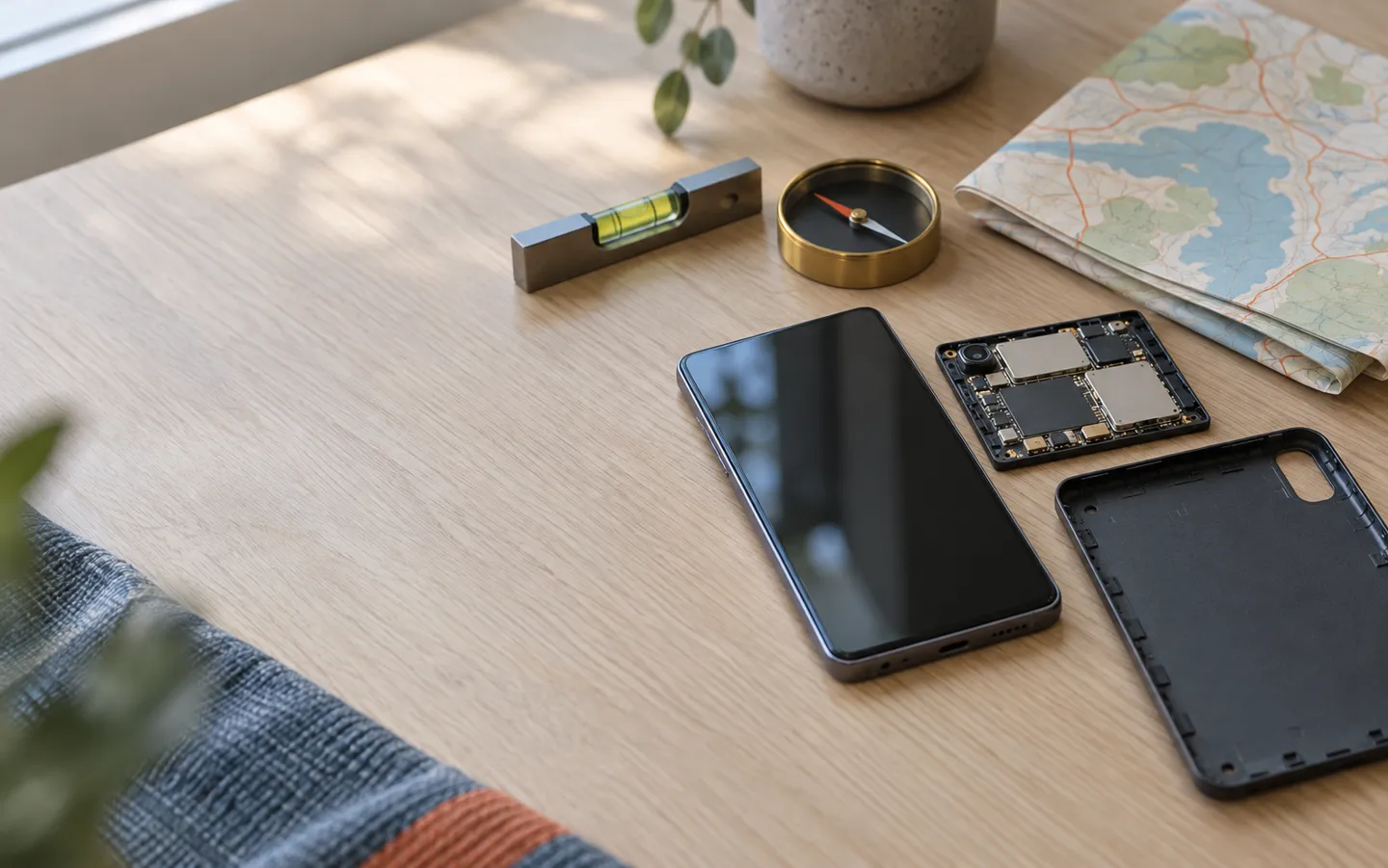
SENSEtilt · turn · find
It feels gravity, rotation and Earth’s magnetic field. It reads air pressure and light, notices your ear, and listens for satellites about 20,200 km overhead. Here is what each sensor does, and how far to trust it.
Plain English, with the sources linked.
At a glance
4.9 m radius
Typical phone accuracy, open sky
GPS-enabled smartphones are typically accurate to within a 4.9 metre (16 ft) radius under open sky. Near buildings, bridges and trees, that accuracy gets worse.
LOCATION · GPS.GOV
1 hPa per 10 m
Pressure change near the ground
Air pressure drops by about 1 hectopascal for each 10 metres of height near the surface. That is why a barometer can notice a climb of a few floors.
HEIGHT · MET OFFICE
TWO NUMBERS WORTH KNOWING
One comes from satellites,
the other from the air around you.
Both are typical figures, not guarantees. Your surroundings, the weather and the quality of the receiver all change what a phone actually reports.
A QUICK SENSOR CHECK
Pick something your phone does every day and see which sensor is behind it.
Not every phone has every sensor. Barometers in particular are missing from some models, and many features combine readings from several sensors at once.
THE SHORT ANSWER
Phone sensors fall into three broad groups:
motion, position and environment.
MOTION
One feels acceleration and gravity, the other rotation. Together they know how the phone is held and moved.
Try the sensor checkPOSITION
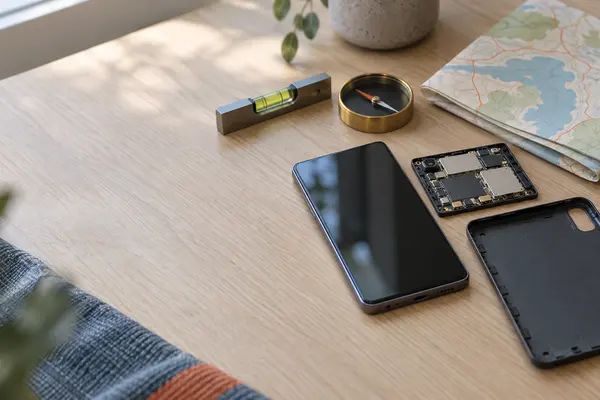
The magnetometer finds magnetic north; the satellite receiver works out where you are, best under open sky.
How accurate?ENVIRONMENT
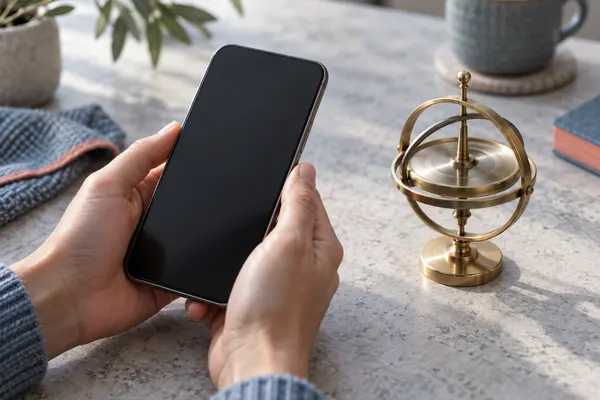
A barometer reads air pressure, a light sensor sets screen brightness, and a proximity sensor notices your ear.
See the numbers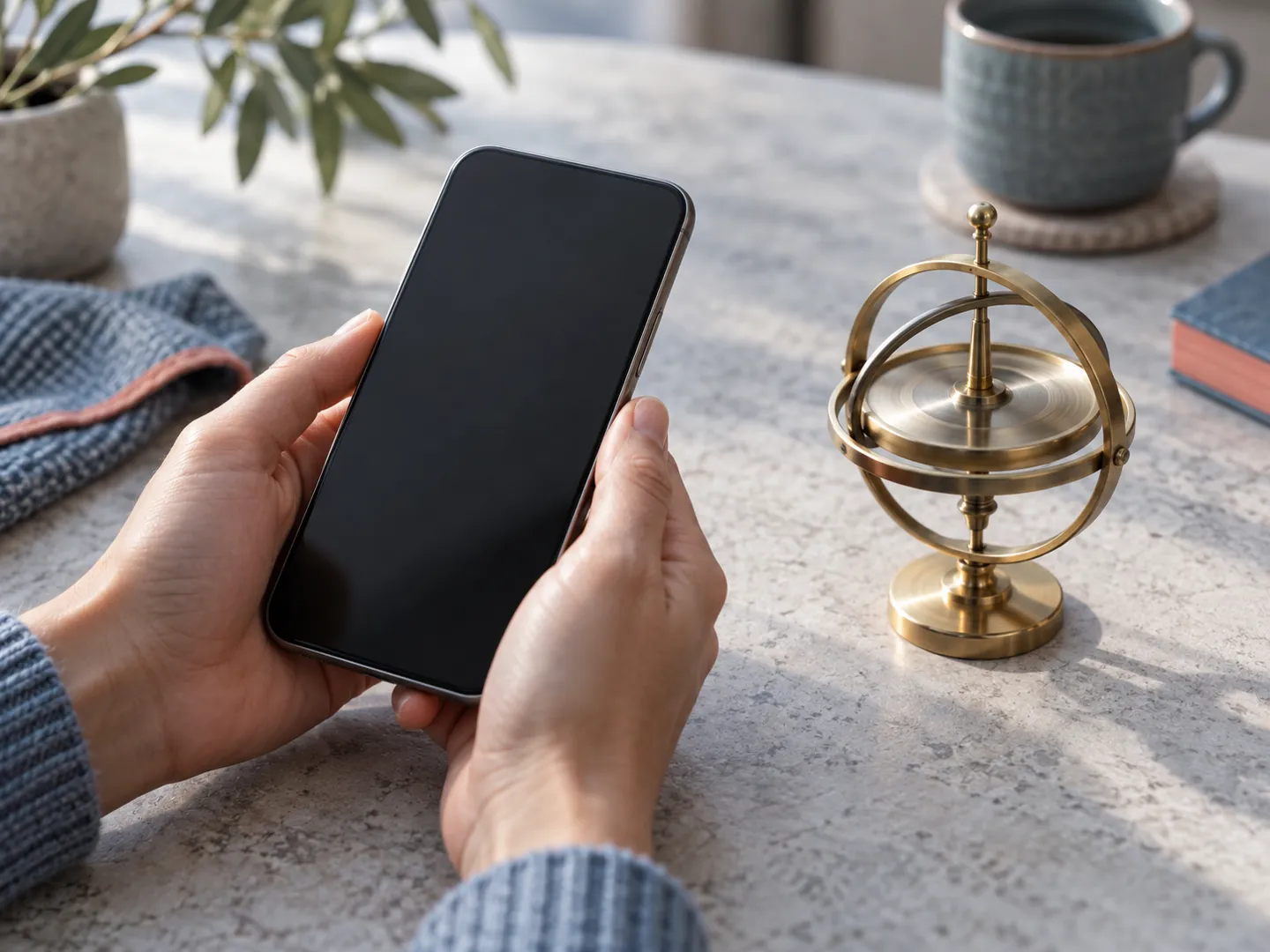
GET BETTER READINGS
If the blue dot wanders, step away from tall buildings and out from under bridges or trees before trusting the position.
The field the compass reads is faint, so magnetic mounts, clasps and nearby metal can pull the arrow off course.
Magnetic north and true north differ by the local declination. Check which one your map or compass app is showing.
Weather moves air pressure too, so a barometric height is best for comparing floors or a climb, not for an exact altitude.
SENSOR FACTS
GPS satellites fly about 20,200 km above Earth and circle it twice a day. The United States commits to at least 24 working satellites, and has flown 31 for well over a decade.
What your phone receives depends on satellite geometry, signal blockage, the atmosphere and the receiver itself. Buildings, bridges and trees all make the fix worse.
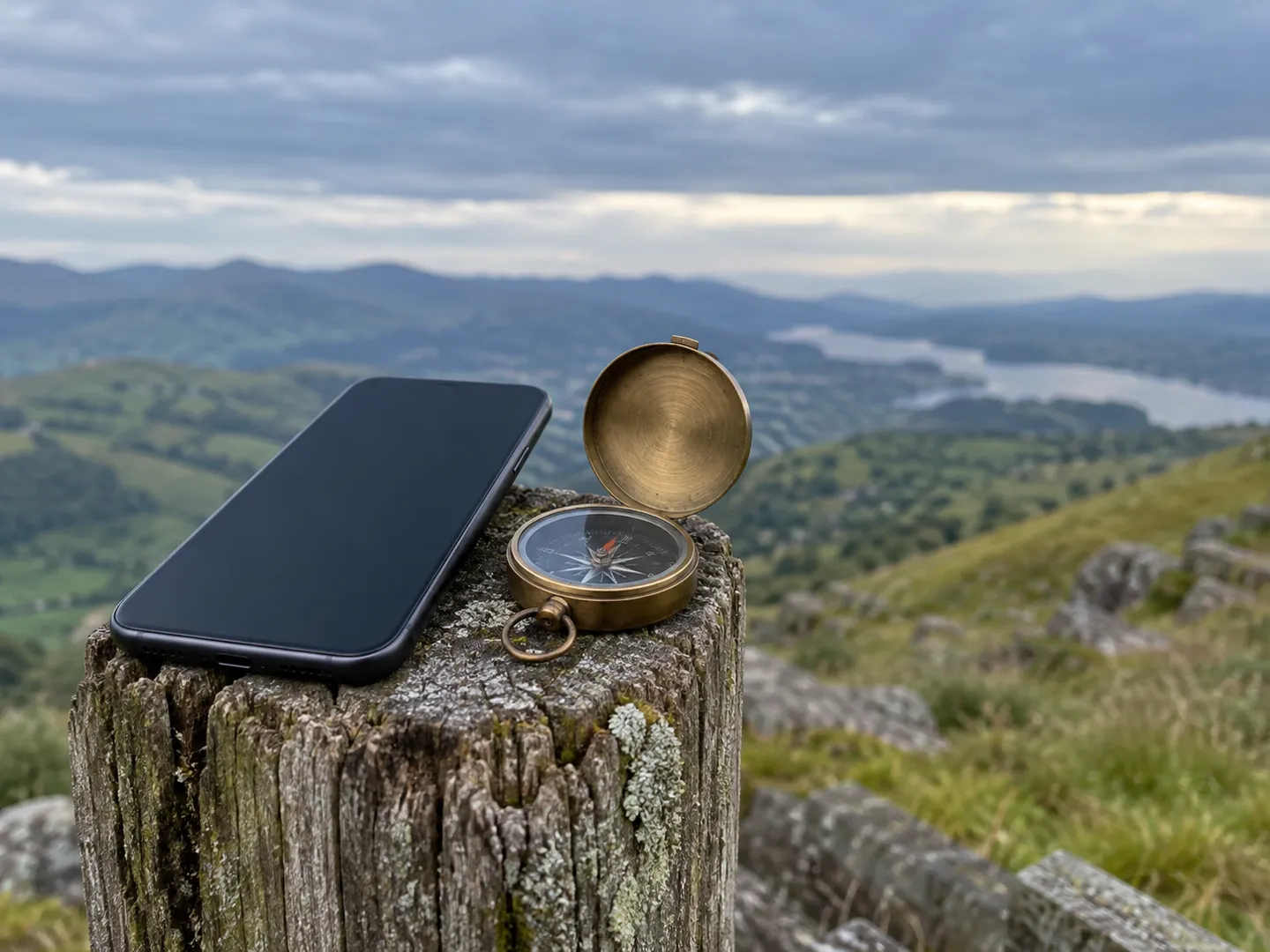
Earth’s magnetic field at the surface is only about 25,000 to 65,000 nanotesla. Near the magnetic poles, NOAA marks zones where compasses become unreliable.
The angle between them is called magnetic declination, and it changes from place to place. A map app has to correct for it to point you the right way.
In phones, microscopic beams are kept vibrating. When the phone turns, the Coriolis effect nudges them sideways, and that tiny motion reveals how fast it is rotating.
QUICK QUESTIONS
Short answers to the questions people ask most.
According to GPS.gov, GPS-enabled smartphones are typically accurate to within a 4.9 metre radius under open sky. Accuracy gets worse near buildings, bridges and trees.
The accelerometer measures acceleration along three axes, and its reading includes the force of gravity. That tells the phone how it is tilted, which is how the screen knows when to rotate.
Phones with a barometer measure air pressure in hectopascals. The Met Office notes that near the surface pressure drops by about 1 hPa for each 10 metres of height, so a change of a few tenths of a hectopascal can show a change of floor. Weather also moves pressure, so the reading works best as a short-term comparison.
The magnetometer senses Earth’s magnetic field, which is weak: about 25,000 to 65,000 nanotesla. Nearby magnets and metal can disturb it, and close to the magnetic poles NOAA describes zones where compasses are unreliable.
The proximity sensor detects an object close to the screen and is typically used to tell when the phone is held to your ear during a call. The ambient light sensor measures light level in lux and is used to control screen brightness.
Sources
A NAME WITH A SIGNAL
doodlesensor.com is part of the DoodleSale portfolio. It isn't in an auction right now, but you can ask about leasing it.